
A geological basis for selection
Research areas have been mapped and reservoir architecture, stratigraphy and basin thermal history assessed together. The work defines target intervals and the investigations needed to verify them.
We are turning geological knowledge of Ukraine’s lithium-bearing waters into a defined programme of area selection, well investigation and process testing.
Results from 2025–2026 and the 2026–2028 programme
PDF in Ukrainian and English. Access after email confirmation.
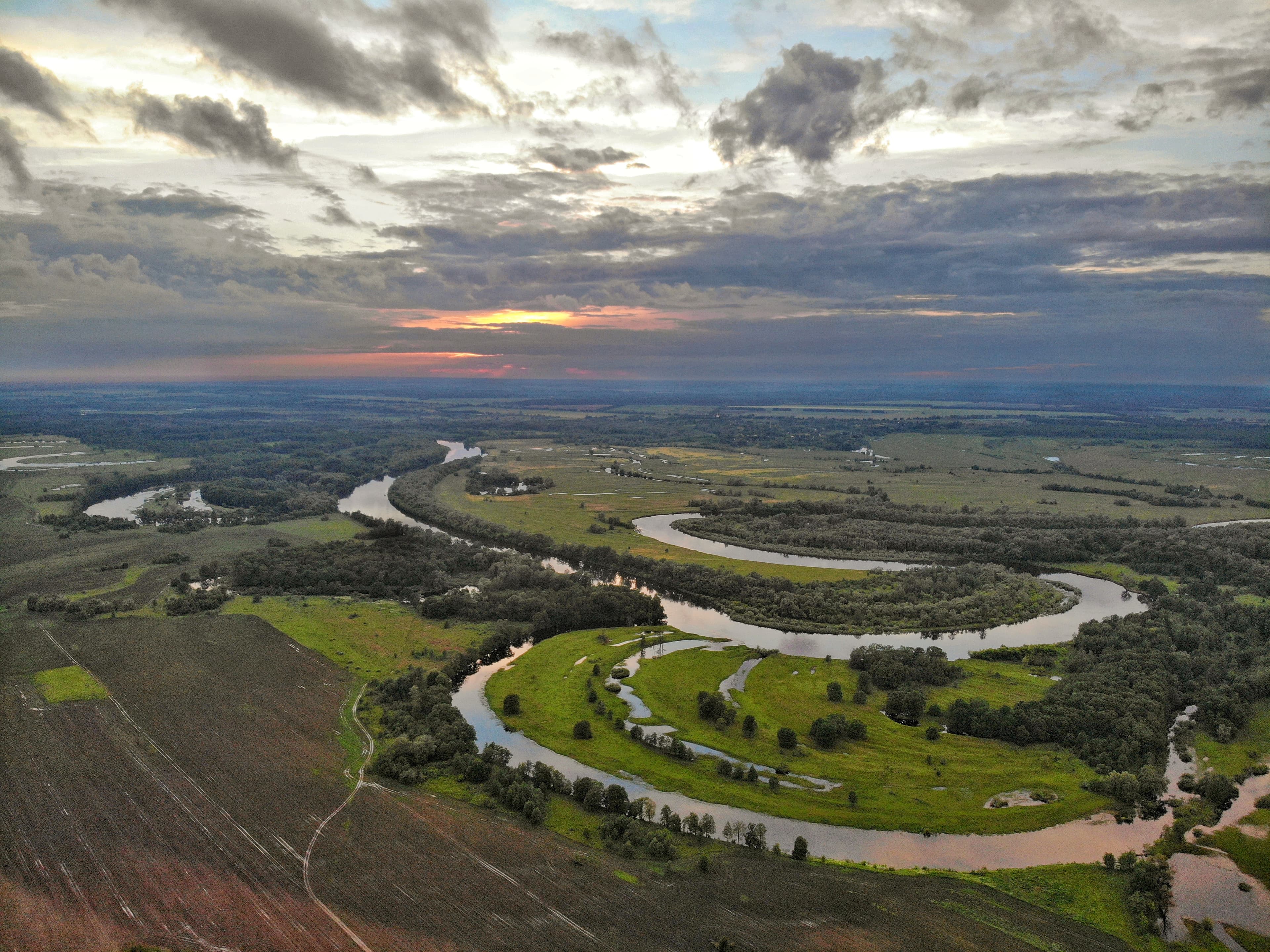
Archives, basin models, laboratory records and well histories now form a connected research base. It identifies reservoirs to investigate, records to recover and the fieldwork required for the next stage.
Research areas have been mapped and reservoir architecture, stratigraphy and basin thermal history assessed together. The work defines target intervals and the investigations needed to verify them.
The team reviewed archival sources, well passports, test records and water analyses. Reconstructed links between samples and intervals provide the basis for targeted sampling and engineering preparation.
Work covered water and core analysis, sample preparation, lithium determination by ICP-MS and laboratory quality control. The analytical dataset and sample registers support geological assessment and further sampling design.
Technical dialogue with international developers has defined sampling and testing requirements. In parallel, we are developing our own process approach for highly saline waters, investigating lithium and associated components.
Each case connects geological context and source verification with a defined task for the next stage.
A historical lithium record has been correlated with a water analysis and a test record for the same interval. The next work will resolve the lithium sample’s identity and obtain a contemporary interval-specific sample.
The compilation, well passport and geological records establish the interval and stratigraphic framework for further sampling. Contemporary analysis of a representative sample will test the historical lithium observation.
The audit reconstructed the testing history and identified a water-bearing target. Sample provenance and individual inflow contributions require further resolution. The area remains in the third verification tier.
The review identified gaps linking the analytical record, original sample and reservoir. The case remains in the third verification tier, with a defined task to reconstruct that connection.
Historical observations and contemporary laboratory results are recorded separately. Verification tiers define the sequence of research work.
We are continuing exploration and preparing comparable area dossiers. The next decisions will cover target selection, acquisition of rights, well operations and a recovery pilot.
Digitise water records, refine basin models and map additional targets. Hydrochemical profiles will guide the search for comparable reservoirs.
Prepare comparable geological and engineering dossiers and run an internal technical selection. Compare evidence, well access, water chemistry and development requirements.
Acquire subsoil-use rights for the selected target and agree well access with the operator. Establish the legal route for component recovery and brine return.
Develop Ukrainian analytical capacity towards accreditation. Verify representative samples, compare recovery routes and conduct repeated-cycle process tests.
Undertake well interventions, isolate and test the target reservoir. Pilot component recovery with controlled brine return and measured flow, recovery and operating costs.
Use pilot results to validate sustained process operation and define the parameters for industrial scale-up.
Workstreams advance in parallel. Progression to field pilots and demonstration will depend on verified results, access rights and technical readiness.
We are bringing together geological evidence, well-engineering expertise and the development of laboratory and pilot facilities. We plan to involve students and early-career geologists in archival, analytical and laboratory work. This capability will provide a strong platform for a new lithium industry.
The geological basis, documented cases, process-development programme and path to 2028 in one document.
Ukrainian and English · PDF
Checking your access…